



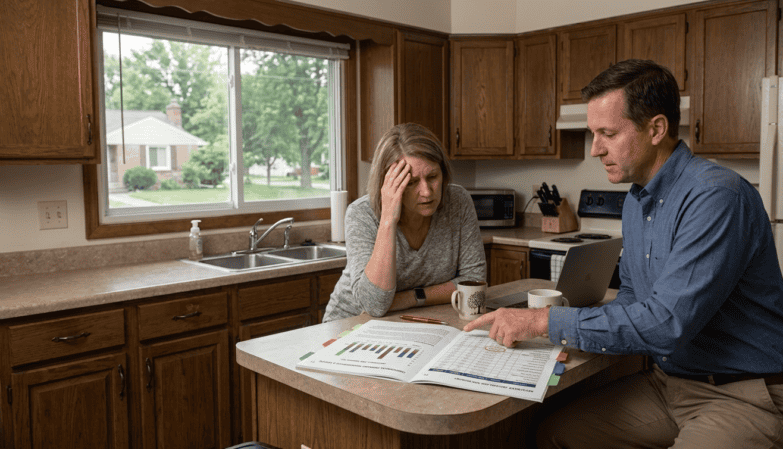
How to Sell a House After a Failed Inspection in Lansing
A failed home inspection can feel like a major setback when trying to sell a property. Many homeowners worry that serious repair issues will scare away buyers, delay the closing process, or force them to spend thousands of dollars on unexpected improvements. This is one reason why cash home buyers in Lansing are often considered by sellers who want to avoid costly repairs and move forward with a simpler transaction. Understanding the available options can help homeowners make informed decisions and achieve their selling goals.
Understanding What a Failed Home Inspection Means
A home inspection is a detailed evaluation of a property's condition. During the inspection, professionals assess major systems and structural components to identify defects, safety concerns, or maintenance issues that may affect the property's value or livability.
When a property is said to have failed an inspection, it generally means the report revealed significant concerns that may cause a buyer to request repairs, negotiate a lower price, or reconsider the purchase altogether. However, a failed inspection does not automatically prevent a sale. It simply creates a situation that requires additional consideration and negotiation between the parties involved.
Common Issues That Cause Home Inspections to Fail
Structural Problems
Structural concerns are among the most serious issues identified during inspections. Problems such as cracked foundations, uneven floors, damaged support beams, or shifting structures can raise concerns about the home's stability.
Roofing and Foundation Issues
A damaged roof or foundation can create substantial concerns for prospective buyers. Missing shingles, leaks, water intrusion, foundation cracks, and drainage problems often require professional repairs.
Electrical System Concerns
Outdated wiring, overloaded electrical panels, faulty outlets, and code violations are common inspection findings. Electrical issues not only affect a property's functionality but may also present safety hazards.
Plumbing Defects
Plumbing problems can range from minor leaks to extensive pipe damage. Inspectors may identify water pressure issues, corroded pipes, sewer line concerns, or hidden leaks that could lead to future property damage.
Challenges Homeowners Face After a Failed Inspection
A failed inspection often creates additional obstacles for sellers. Common challenges that arise after a failed inspection include:
- High Repair Costs: Major issues such as roofing, foundation, or electrical problems can require costly repairs that may be difficult to afford.
- Buyer Hesitation: Inspection findings can make buyers concerned about future expenses, leading them to reconsider the purchase.
- Contract Cancellations: Some buyers may back out of the deal entirely after reviewing the inspection report.
- Price Negotiations: Buyers often request a lower sale price or repair credits to offset the cost of necessary fixes.
- Financing Delays: Mortgage lenders may require certain repairs before approving financing, which can slow down the transaction.
- Increased Stress and Uncertainty: Managing repair requests, negotiations, and potential delays can make the selling process more challenging for homeowners.
Why Selling As-Is Can Be the Best Solution
For homeowners who do not want to invest additional money into repairs, selling a property as-is can be an attractive option. An as-is sale means the property is offered in its current condition without the seller agreeing to complete repairs before closing.
Selling as-is allows homeowners to avoid contractor costs, lengthy renovation projects, and ongoing maintenance expenses. It can also simplify the selling process by eliminating many of the negotiations that typically occur after an inspection report is issued.
Benefits of Selling to a Cash Buyer After a Failed Inspection
Sell Without Making Repairs
Cash buyers often purchase properties in their current condition, allowing homeowners to avoid costly repairs and renovations before selling.
Faster Closing Process
Cash sales typically move more quickly because they do not involve mortgage approvals, lengthy underwriting processes, or lender requirements.
Fewer Sale Contingencies
Without financing and many of the conditions associated with traditional buyers, cash transactions are often more straightforward and predictable.
Reduced Risk of Deal Failure
Since cash buyers are not dependent on loan approval, there is generally less chance of the sale falling through due to financing issues.
Greater Convenience for Sellers
Homeowners can avoid the time and effort involved in coordinating repairs, scheduling inspections, and preparing the property for the traditional market.
More Certainty and Peace of Mind
A cash offer can provide greater confidence in the transaction, helping sellers move forward with fewer delays and uncertainties.
How the Cash Home Buying Process Works
The cash home buying process is generally designed to be simple and efficient. While each company may have its own procedures, the process often follows a similar structure:
- Contact the buyer and provide basic property information.
- Schedule a property assessment or evaluation.
- Receive a cash offer based on the home's condition and market factors.
- Review and accept the offer if it meets expectations.
- Complete the closing process on a mutually agreed timeline.
Because repairs are usually not required, homeowners can often avoid many of the delays associated with traditional real estate transactions.
Situations Where a Cash Sale Makes Sense After a Failed Inspection
When Repair Costs Are Too High
If a home requires major repairs, such as foundation work, roof replacement, or electrical upgrades, the cost can be overwhelming. A cash sale allows homeowners to sell the property without making these expensive improvements.
During Financial Hardships
Homeowners experiencing financial difficulties may not have the resources to cover repair costs or maintain the property while it remains on the market. Selling to a cash buyer can provide a faster and more predictable path to closing.
When Selling an Inherited Property
Inherited homes are often older properties that may have deferred maintenance or outdated systems. A cash buyer can purchase the property as-is, reducing the burden on heirs who may not want to invest in repairs.
For Vacant or Neglected Homes
Vacant homes can develop maintenance issues over time, including plumbing problems, water damage, or general deterioration. Cash buyers are often willing to purchase these properties without requiring extensive repairs.
After Multiple Buyers Walk Away
Repeated buyer withdrawals due to inspection concerns can make selling increasingly difficult. A cash buyer may provide a more dependable option by purchasing the property despite its condition.
When a Quick Relocation Is Necessary
Homeowners relocating for a new job, family obligations, or other personal reasons may not have time to complete repairs and wait for a traditional sale. A cash transaction can help simplify the process and reduce delays.
When Lender Requirements Create Delays
Many mortgage lenders require certain repairs before approving a loan. Selling to a cash buyer can eliminate these financing-related obstacles and help keep the sale moving forward.
Conclusion
A failed home inspection does not have to end a property sale. While inspection-related issues can create challenges, homeowners still have several options available. Whether choosing to make repairs, negotiate with buyers, or sell the property as-is, understanding the available paths can make the process more manageable and less stressful.
For homeowners seeking a straightforward solution, Express Property Solutions provides an alternative to the traditional selling process. We purchase homes in their current condition, allowing sellers to avoid costly repairs, lengthy negotiations, and many of the obstacles that can arise after a failed inspection. This can help homeowners move forward with greater confidence and convenience.
Frequently Asked Questions
Do all inspection issues need to be repaired before selling?
No, sellers are not always required to repair every issue identified in an inspection report. The decision often depends on buyer expectations, financing requirements, and the chosen selling strategy.
What does selling a house as-is mean?
Selling a house as-is means offering the property in its current condition without agreeing to complete repairs before closing.
Are repairs required before selling to a cash buyer?
Repairs are not required when selling to a cash buyer. The property is typically purchased as-is, allowing homeowners to avoid the time and expense associated with renovations.
Is selling to a cash buyer faster than a traditional sale?
Cash sales are often completed more quickly because they do not depend on mortgage approvals, lender requirements, or lengthy underwriting processes.
Can a cash buyer purchase an inherited property?
Yes, cash buyers frequently purchase inherited homes. This option can simplify the selling process for heirs who do not want to manage repairs, maintenance, or a traditional listing.
Give Us A Call Today
 312-764-0989 or
